
Why slashing housing design standards is a risky game
‘We’re determined to cut through the bureaucracy that holds us back. That starts with getting the planners off our backs.’ No, not a member of the present government but David Cameron in 2013, announcing permitted development rights (PDR) for home extensions and the conversion of offices to resi.
Cameron and his then chum, Nick Clegg, also proposed a temporary removal of the requirement for developers to include affordable social housing, so long as the planned housing was for rent rather than sale. He also announced that the Treasury would publish an infrastructure bill, to be rushed on to the statute book. Sound familiar?
The PDR episode should be seen as a cautionary tale for London mayor Sadiq Khan and Ministry of Housing, Communities & Local Government (MHCLG) as they set out measures to stimulate building. It showed what happens when policy prioritises speed and numbers over design quality and demonstrated that standards exist for a reason. By 2020, UCL research found, only 22 per cent of PDR homes met national space standards — many were windowless micro-units on industrial estates.
Measures that relax guidance, such as that concerning the need for dual-aspect homes, higher ceiling heights and cycle parking, bring the issue of design quality to the fore.
As someone who spends time campaigning for better provision for cycling, if I had been asked a couple of years ago about reducing cycle parking in residential development, I would have taken a somewhat negative view. However, the astonishing growth of e-bike hire in London has changed the balance between ownership and hiring, which probably means demand for on-site parking will be less in the future.
Back in 2008, I was on the North West jury for the RIBA Awards and visited the Abito Apartments in Greengate, Salford, designed by BDP. The development consisted of 256 micro-apartments, each about 32m2, wrapped around a glazed central atrium. There was a pod with kitchen, bathroom, storage and folding bed in the centre of the open plan unit, and each had a generous balcony. These neat, compact, single-aspect apartments provided an efficient and popular living space.
It is encouraging to read that officials are considering protecting architects’ function – good architects produce good buildings
We gave it an award, as did the Civic Trust and the Daily Mail. Manchester had been worried that graduates were leaving the city because of the high cost of housing, and Abito proved a very popular response. ASK, its developer, built another similar block in Salford. I checked up last week and both developments’ popularity is undiminished. The micro-home works and fills a real gap in the market.
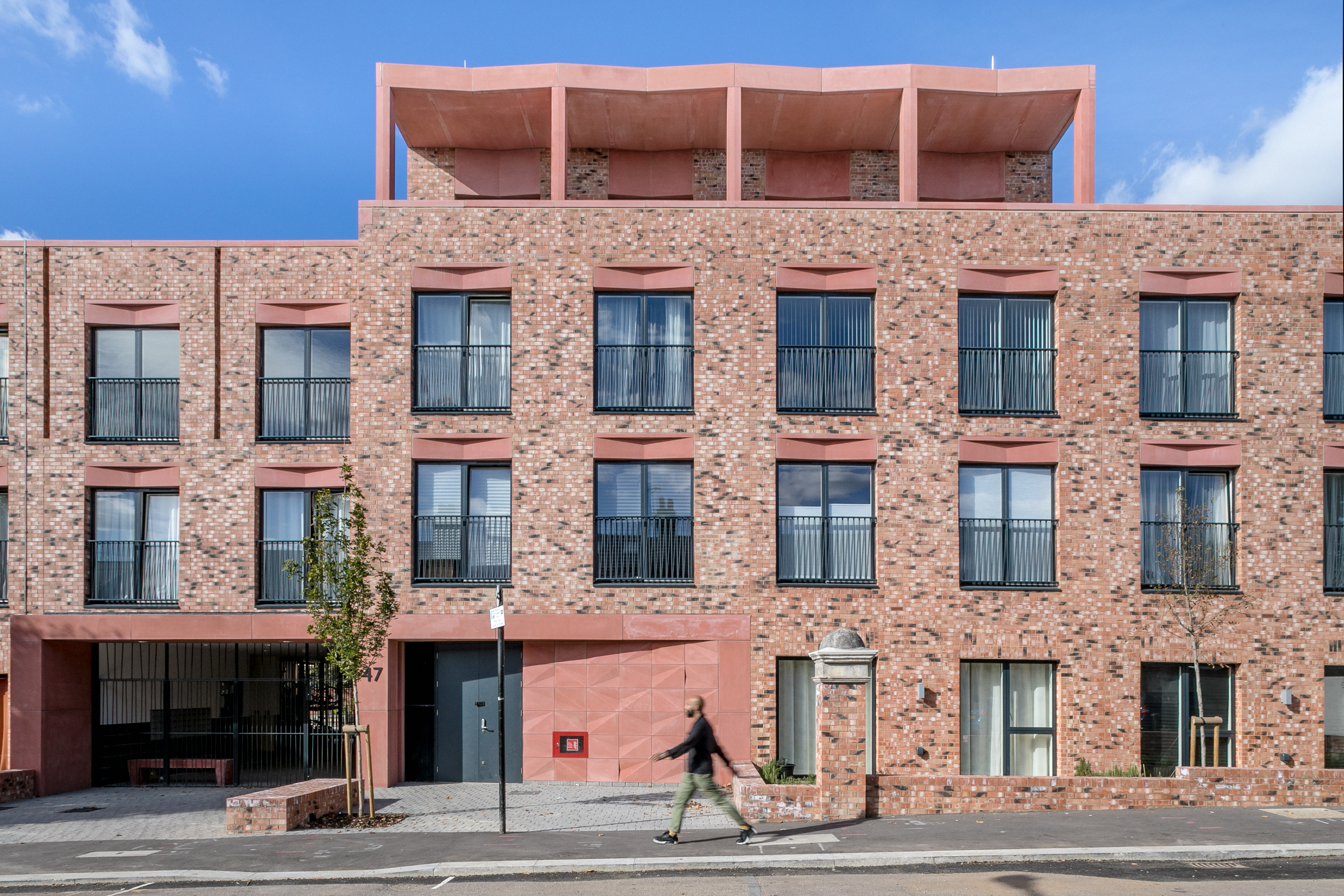
In London, I’ve followed developer Pocket Living’s progress over the last 20 years. Aimed at first-time buyers, its product typically provides around 37m2 for a one-bed flat that meets but does not exceed the nationally-described space standard (NDSS). However, Pocket adds a level of generosity with ceiling heights of around 2.5m (vs national minimum 2.3 m), taking the view that ‘good volume beats bad area’.
Pocket’s co-founder, Marc Vlessing, has always rejected the term ‘micro flats’. He didn’t want Pocket homes as staging posts from which residents would soon move on. And because of their high standard of design, people stay in these homes for much longer than Vlessing originally anticipated.
Pocket uses good designers like Metropolitan Workshop, Maccreanor Lavington, Waugh Thistleton, Piercy & Company and David Kohn. Their success shows that with high-quality design and within minimum standards, compact housing can still be affordable and dignified.
In this context, it is encouraging to read that government officials are considering protecting architects’ function. Good architects produce good buildings, and tick-box standards become more a protection from unscrupulous clients than design guides.
While we need standards, we also need to do something about the disastrous delivery of housing. High-quality, innovative design can deliver more with less and ensure that we build homes that are healthy, livable and lasting.
We should bring back the senior role of architects in local authorities. There should be a city architect for London. We once had one; other European cities still do. City architects in the Czech Republic, chief design officers in Finland and the bouwmeester maitre architectes of Brussels provide the civic design intelligence that can balance urgent delivery with long-term quality.
We need the same leadership here. If you ask the homeless whether they would prefer a smaller home or no home, the answer is obvious. Architects need to ensure that, in delivering the truly affordable, we are not building the slums of the future.
Peter Murray is co-founder of New London Architecture
link




:max_bytes(150000):strip_icc()/GettyImages-544347092-69d2e73c38f345a7baa16f89d6570186.jpg "This Kitchen Countertop Style Is So 2010s")

