
What Is Scandinavian Style?
:max_bytes(150000):strip_icc()/what-is-scandinavian-design-4149404_hero_3244-115e287ad30444bdbadb32bddde060f6.jpg "What Is Scandinavian Style?")
Scandinavian style combines white walls, wood floors, modern furniture, and minimalism, defining a clean and functional aesthetic. This design movement originates from Nordic influences and includes the work of influential Scandinavian modern designers known for creating iconic furnishings.
Explore how Scandinavian style encompasses elements of simplicity and functionality while maintaining beauty.
What Is Scandinavian Style?
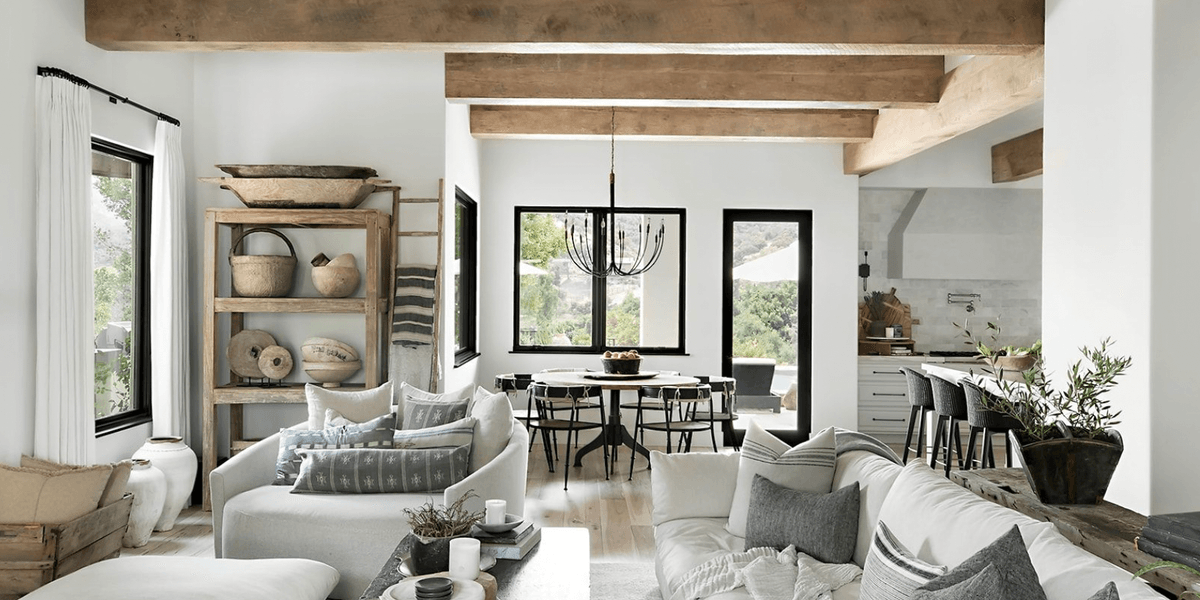
Emily Henderson Design / Photo by Sara Ligorria-Tramp
Scandinavian style is a decor movement that bridges the simplicity of minimalism and the neutral tones of modern style with functional design. It doesn’t leave beauty behind for the sake of beauty but weaves it into the practicality of each piece.
It’s clean, cozy, bright, and candlelit, particularly as it moves into the winter season, and embraces “hygge” with organic, natural elements and textures.
What Is Hygge?
Hygge is the Danish concept of coziness and finding light during the long, dark winter. It embraces a season of slowing down, being with loved ones, and discovering comfort and conviviality.
Scandinavian Countries
Scandinavia refers to the northern European countries of Norway, Sweden, and Denmark. While not technically in Scandinavia, Finland and Iceland are often included in the Scandinavian style due to their cultural and aesthetic similarities.
These countries have long, dark winters and stunning natural landscapes, which have informed their design. The clean lines and neutral color palettes connect to their environment, while the emphasis on coziness and warmth is necessary during the depths of winter.
Main Characteristics of Scandinavian Style
The Spruce / Alyssa Vela
Scandinavian style is simple, clean, and comfortable. Through neutral colors and wood accents, it feels tied to nature. It combines function and beauty, verging on minimalism while embracing design decisions primarily for aesthetic value.
Here are a few of the key characteristics you’ll see throughout Scandinavian style:
- Neutral colors: Scandinavian spaces feature light and airy colors, emphasizing white, ivory, gray, tan, and light, warm shades.
- Natural materials: Scandinavian design is grounded in wood, which is often a light, bright wood like ash, beech, or pine. Imagine warm, light wood contrasted with soft, neutral fabrics.
- Light: In Scandinavia, people let natural light flow in through unadorned windows during the day and embrace the warm glow of candles and lamps at night.
- Minimalism: There is an intentional restraint in Scandi design, leaning towards warm minimalism. A clean, clutter-free space is ideal.
- Texture: Amidst all the neutral colors and natural woods, there is a focus on organic, natural textures. From soft or chunky knits to sheepskin rugs and wool, these add interest and literal warmth to a space.
- Clean-lined furniture: Whether curvy or straight, Scandinavian furniture focuses on clean, functional lines without extra ornamentation.
History of Scandinavian Style
In the early 20th century, modernism sprouted up everywhere. It diverted from the rise of industrialization and machines and featured a return to nature. The Art Nouveau movement was born.
Art Nouveau embraced the decorative arts of interior design, fine arts, and architectural style. Its nature-inspired designs embraced organic, curving lines, intricate patterns, and rich, earthy colors. By 1925, Art Nouveau gave way to the gilded, visually dazzling Art Deco designs until the austerity of the Great Depression set in.
Following World War II, new social ideas swept through Europe, reversing older conventions around beauty and status. Beauty and functionality were combined and made available to everyone. The nations of Scandinavia banded together in the realm of design—through a series of conferences in Scandinavian cities during the 1940s—forming a movement.
This new approach to design combined beauty, simplicity, and functionality, finally taking shape as a recognizable design force in the 1950s. The midcentury modern style was heavily influenced by Scandinavian design. Most furniture arrangements were uncluttered and straightforward, giving the entire space a comfy, content feeling or “hygge” in Danish.
One of the first significant steps toward widespread recognition was the establishment of the Lunning Prize, otherwise known as the “Nobel Prize” for Scandinavian design. The award was named after Frederik Lunning, a New York-based importer of Danish designs, who was awarded for the first time in 1951 and every year after that until 1970.
Shortly after the prize was instituted, Scandinavian design gained a champion in Elizabeth Gordon, the editor-in-chief of House Beautiful magazine. Scandinavian decor and architecture became a household name in the United States.
Why Is Scandinavian Design Popular?
Humans naturally gravitate towards organic color palettes, soothing designs, and connections to nature, which is why Scandinavian design has continued to be famous for decades. It’s now seen as a timeless design movement beloved by generations.
Decorating in a Scandinavian style that focuses on function, minimalism, and a lifestyle of simplicity gives people a sense of ease and peace.
How to Design With Scandinavian Style at Home
Consider Scandinavian Colors
In Scandinavian style, you’ll see neutrals like white, ivory, tan, gray, and lighter wood shades. However, when colors are introduced, you may see light, muted earth tones, like rust or sage green.
Use Light Wood Furniture
Scandinavian furniture is minimalist, with clean lines and light, airy silhouettes. Smooth, sleek, light-hued wood often contrasts with restful white upholstery, creating a beautifully clean and simple look. There are simple lines with little to no ornamentation.
Designers who popularized the Scandi style include:
- IKEA: This iconic Swedish furniture brand, founded by Ingvar Kamprad in 1953, still brings Scandinavian minimalist, simple lines to the masses at an affordable price point.
- Alvar Aalto: This Finnish designer became famous for his curved wooden armchairs.
- Arne Jacobson: The Danish architect and designer developed the Egg, Drop, and Swan chairs.
- Hans Wegner: He was a famous Danish furniture designer.
- Eero Aarnio: This Finnish designer created innovative, minimalist plastic and fiberglass furniture.
Pare Down Furnishings for a Minimalistic Look
Scandinavian style centers on functionality. However, functional pieces are created in a way that feels beautiful and homey.
Avoid adding too many accessories and decor in your home; consider a perfectly placed coffee table book, a vibrant green plant, or a sleek, sculptural vase that can complete a room. Antique accents are also an option too. The key is using minimal decorations placed strategically to liven up a simple space.
FAQ
-
Add Scandinavian style to your bedroom by focusing on neutrals and clean lines. Try white walls to emphasize light, a neutral-heavy palette, natural textures such as wood and stone, a lack of window treatments and carpets, and unfussy layouts that emphasize an elegant minimalist aesthetic.
-
Scandinavian style is perennially popular because of its simplicity, emphasis on nature, and clean lines. It is one of the most timeless decor movements of the 20th century.
-
Scandinavian style is minimalist because it prioritizes function as a response to the region’s harsh climate. Clinging to coziness, comfort, and simplicity helps Scandinavians survive the long and dark winter months. Decor in a Scandinavian farmhouse that feels warm, bright, and unpretentious is a practical refuge.
-
The main difference between Scandi and Nordic design is geography. Aesthetically, the two are very similar, with a clean, minimalistic look and feel; however, Scandi is more modern, while Nordic is more rustic. Geographically, the Scandinavian style includes designs from Norway, Sweden, and Denmark, while the Nordic style includes Scandi plus design features from Norway and Iceland.
link



:max_bytes(150000):strip_icc()/GettyImages-544347092-69d2e73c38f345a7baa16f89d6570186.jpg "This Kitchen Countertop Style Is So 2010s")

