
Exterior and interior design is key for battery electric vehicle (BEV) buyers, study finds
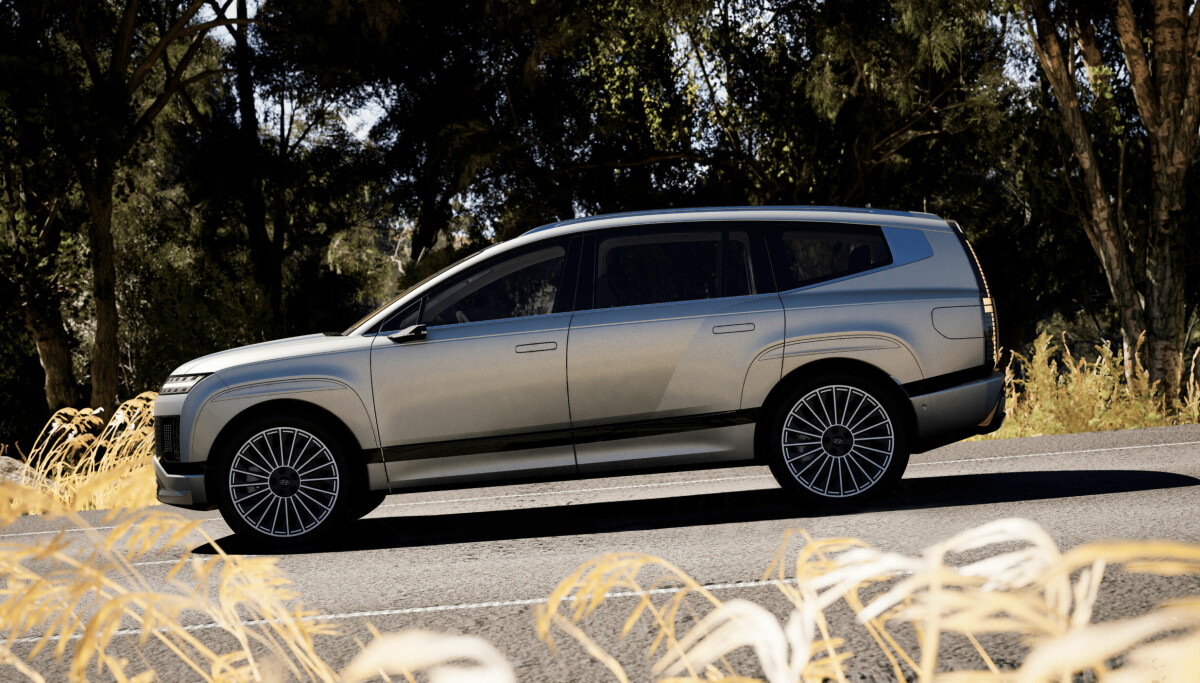
Key performance indicators like charging speed and range are no longer the differentiator for prospective electric vehicle buyers. So says new research from consultancy Escalent
It was not so long ago that those in the market for an electric
vehicle would go with whatever could travel the furthest on a single charge.
The next stage from that was charging speed, and arguably
still is from our own experience. But a new study has found that buyers are no
longer filtering by “maximum range” and instead prioritise interior and exterior
design when it comes to choosing (or at least considering) an EV.
EVForward was carried out by Michigan-headquartered advisory
firm Escalent, which surveyed 1,515 new car buyers just in the US, grouped into
the following categories: EV Owner (148), EV Intender (471) and EV Resistant
(516). In effect, sentiments ranging from pro, neutral and against.
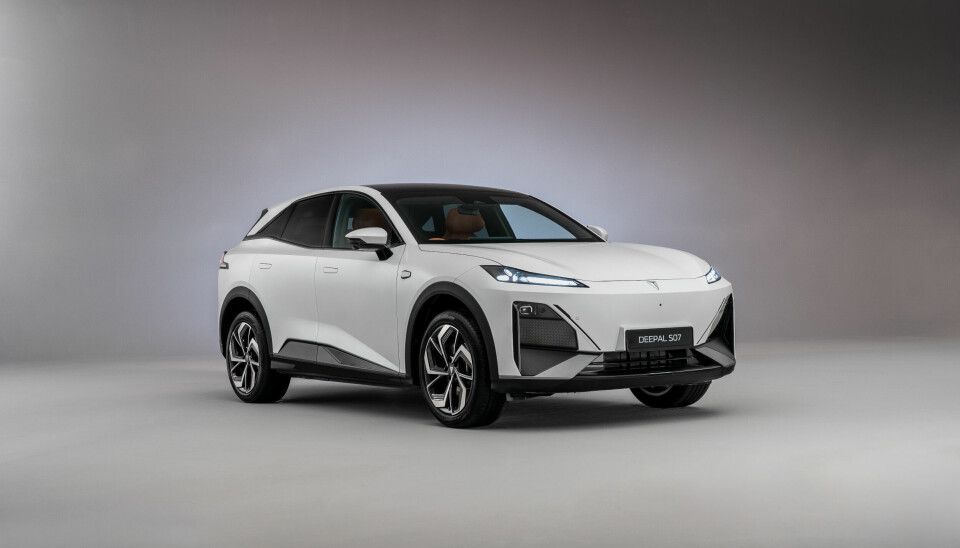
The key findings were that interior (49%) and exterior
design (45%) were the primary motivators for an EV purchase. Both of those can
also be a key ‘rejection driver’ if the design is not on the money. Thus,
brands that are able to deliver a visually compelling and intuitive product
with performance to match are in a good spot.
An auxiliary takeaway might be that brands can “get away”
with slightly compromised EV performance (range, charging) if it enables a more
unique design. Perhaps the ‘polished
pebble’ trend will soon be on its way out, if so.
The survey also found that half of prospective buyers wanted
a “stylish” exterior design, followed by “functional”, “practical” and “distinctive”.
Look closer at the numbers, and it becomes clear that although “style” ranked
highly, it was only three percentage points higher than “functional” as a
response.
Ben Lundin, insights director in Escalent’s Automotive &
Mobility practice, notes that there appears to be a shift in priority towards
the design of the cabin. “The biggest surprise was the extent to which people
evaluate vehicle exterior and interior design as a ‘package’ – there were very
few examples of vehicles that had an appealing exterior and unappealing
interior or vice versa,” he told Car Design News. “Related to this, we found
that interior design in fact had a slightly larger impact on consumer
consideration of vehicles than exterior design – we would’ve thought the
inverse to be true.”
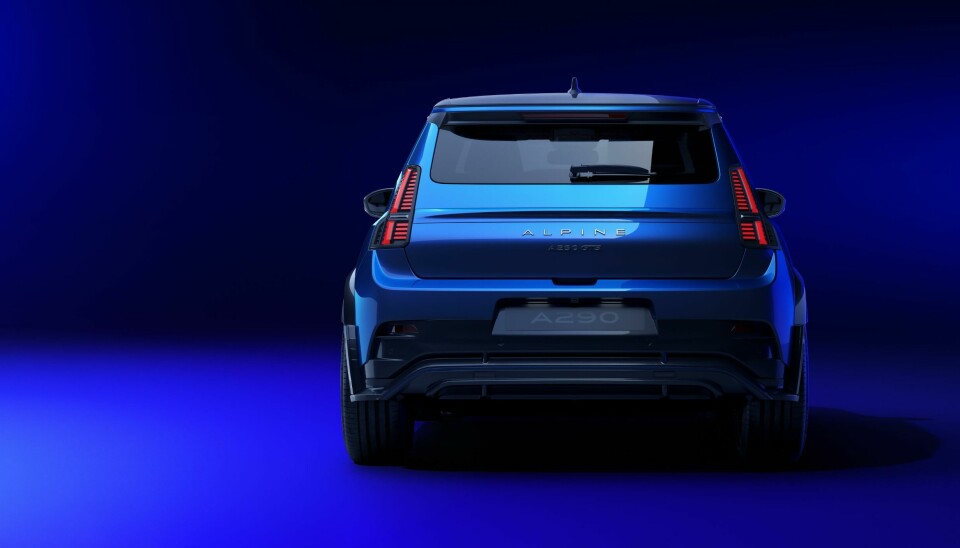
The growing importance of design does track with previous
reports – Escalent’s 2022 survey found a similar takeaway in that design,
style, and emotion play a growing role in choosing an EV. Terms like “exciting”,
“luxurious” and “strong” were used to describe buyers’ ideal exterior designs
during that earlier report. All of this feeds into the broader study of perceived
quality, which Car Design News has investigated in-depth.
It is interesting also to see that brand (39%) still plays a
central role in the purchasing decision. This could be interpreted in a few
ways, but it is feasible to deduct that those with a track record, favourable
heritage or perceived competitive edge have a leg up on new brands starting
from scratch. Brand power still matters. For the record, range is still one of
the key factors (39%) followed by battery warranty (32%) and charging
performance (30%).

There are also some takeaways relevant to UX design as part
of this study, and few will be shocked to learn that there is a split between those
in favour of and against EVs. “We found that EV Resistant folks want physical
buttons as opposed to touch screens for far more features than EV Owners or EV
Intenders,” notes Lundin. This came as part of broader feedback around
preference for ‘traditional’ design among EV Resistant respondents.
With that said, what should designers and decision-makers do
with this information? “Too often, discussions at automakers about EVs are
about their specs: range, price, charging,” says Lundin. “We hope these
findings will reinforce that EVs aren’t necessarily different from internal
combustion or hybrid cars – that is: specs matter, but design is crucial.”
link



:max_bytes(150000):strip_icc()/GettyImages-544347092-69d2e73c38f345a7baa16f89d6570186.jpg "This Kitchen Countertop Style Is So 2010s")
