
Columbia splitting design review board into two new bodies
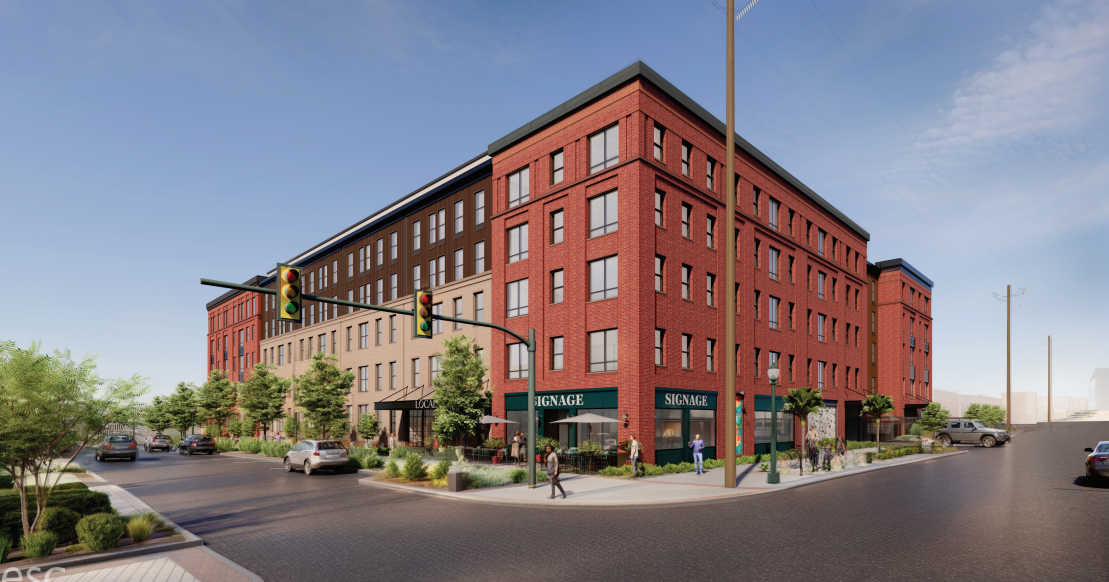
COLUMBIA — Columbia is moving to disband the city board responsible for approving the designs of major downtown developments and applying historic building incentives.
City planning officials say the change will make way for a more efficient replacement.
The new downtown strategic plan adopted by the city in June calls for lane reductions on major roads, more trees and pedestrian improvements in the city center. It also recommended splitting the city’s Design/Development Review Commission into two separate boards.
The DDRC has one of the widest purviews of any public city board, presiding over work done on historic properties as well as designs of new projects across most of downtown. The majority of significant construction projects in the city must be approved by DDRC at some point.

The City of Columbia is moving forward with a plan to split the city’s Design/Development Review Commission into two new bodies. One would take over DDRC’s reviews of new construction in the city’s urban design districts.
Since the commission was formed in 1999, the number of historic landmarks, new developments and builders applying for historic tax credits has increased dramatically, City Planning Administrator Lucinda Statler said at an Oct. 9 meeting.
“There’s just a lot of different topics that are looked at in historic districts and renovation of historic buildings versus design districts,” Statler said. “So this would allow the members of each commission to be interested and have expertise in the areas that are specific to the cases they are looking at.”
The proposal calls for the nine-member DDRC to be split into two boards. A seven-member body would preside over historic preservation projects, renovations and applications for Baily Bill tax credits.
A separate five-person board would be charged with evaluating designs for new projects in the city’s mapped “design districts,” which are centered around Five Points, the Vista, North Main and the city center. Those districts cover most of downtown Columbia and the development hotspots in the city.
The city will look for experts in historic preservation, development and real estate to serve roles on each board. City planning officials expect the two bodies to split the DDRC’s former duties in such a way that no project will have to go through votes from both new groups, Statler said.
“We do want to make sure that projects don’t have to go through an extra board,” she said. “So that was certainly taken into consideration.”
Responses to the proposed change have been mostly positive, she said at the Oct. 9 meeting.
“I think that’s a good, long overdue split,” Harris Cohn, Planning Commission chair and CEO of the Cohn Corporation construction company said at the meeting. “So it’s exciting to see.”
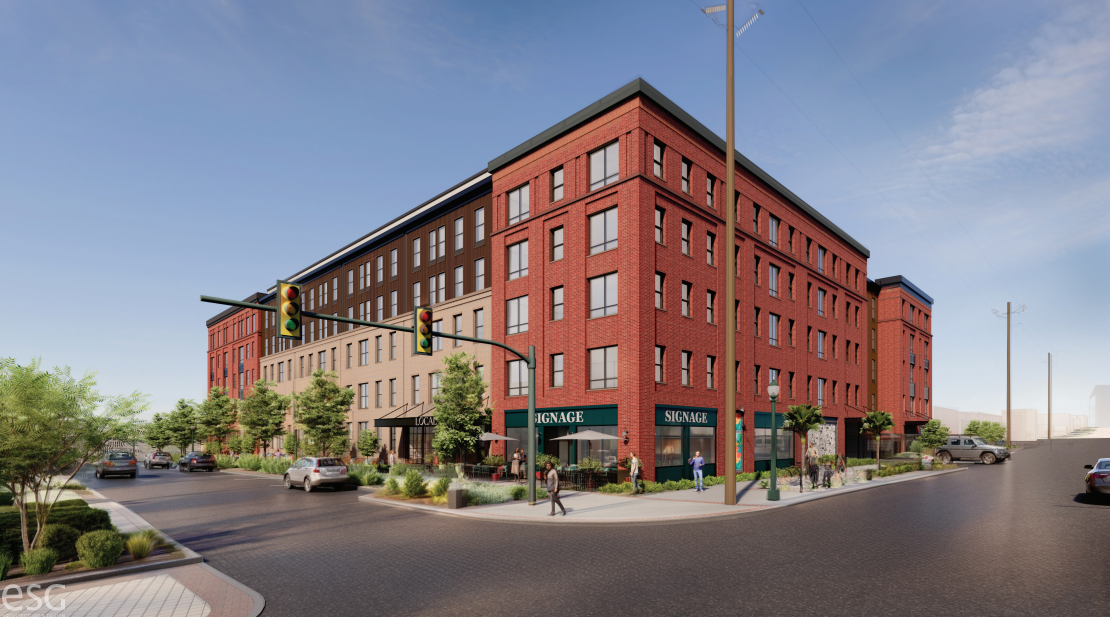
Columbia’s Design/Development Review Commission approved plans for a new apartment complex at 931 Senate St. after the developer made adjustments to the building’s exterior design.
The city’s Planning Commission, which has authority over the DDRC, approved the split at that Oct. 9 meeting. City Council gave first reading approval to the change at a Dec. 16 meeting, with a second and final vote expected in January.
“I will tell you that this stemmed out from a lot of community conversations over the years,” Mayor Daniel Rickenmann said at the Dec. 16 council meeting. “And separating the commercial from the historic neighborhoods was very important for a lot of folks in the community to ensure that we’re really having folks that have expertise in those areas.”
The city is currently accepting applications for the two new boards, the city’s planning department said via a city spokesperson. The members will have to be appointed by City Council.
The new boards are expected to begin operating in February or March 2026, the department said.
“The transition from the old Commission to the new ones should be seamless, as the projects will be reviewed by staff and the same design guidelines, and we anticipate members from the current board moving to both new boards for continuity,” the department said in a statement.
link


:max_bytes(150000):strip_icc()/GettyImages-544347092-69d2e73c38f345a7baa16f89d6570186.jpg "This Kitchen Countertop Style Is So 2010s")
