9 Steps to Embracing the Cottagecore Aesthetic
:strip_icc()/CD_18792_5AtZVYUxKxT8Qy23xKrun3-3cd916243e9d41a99db29ccd5e737042.jpg "9 Steps to Embracing the Cottagecore Aesthetic")
What is cottagecore? This aesthetic is both a style journey and a nostalgic escape to simpler times. Cottagecore aims to create a stylish space that’s romantic, idyllic, and free-spirited. Imagine a tapestry of soft, floral-inspired pastels that conjure up the charming landscapes of Jane Austen’s English countryside.
As the principal of Carpenter + Company, Patti Carpenter is an award-winning designer in globally sourced home décor, a color + trend forecasting expert, and the Global Trend Ambassador for Maison & Objet.
Carson Downing
A Brief History of Cottagecore Decorating
The cottagecore aesthetic grew out of traditional cottage designs. It gained momentum around 2016 but its popularity seemed to wane—until the pandemic breathed new life into it. Trend expert Patti Carpenter noted that “COVID-19 re-energized that particular trend because we were forced to slow down.”
During the pandemic, as people stayed indoors more often, there was a renewed focus on relaxing home-based activities such as cooking, gardening, and needlepoint. Carpenter highlights that this period emphasized a “kinder, slower, gentler pace of life,” which is at the essence of cottagecore. The trend stands out from traditional cottage style through its themes of maximalism, nostalgia, and intentionality.
Cottagecore rose alongside but opposite to sleek, minimalist styles like Japandi. “Whenever there’s a trend, there’s a countertrend,” Carpenter explains. Unlike the neutral elegance of Japandi and Scandi styles, cottagecore embraces an abundant, vibrant mix of different patterns, textures, and bold colors—celebrating nostalgia. Cottagecore is akin to grandmillennial style or granny chic, making florals, warm woods, and classic hues quite fitting for this charming aesthetic.
Carson Downing
Elements of Cottagecore Style
When it comes to maximalist styles like cottagecore, “more is more” with a purpose. “Everything became more intentional as we spent more time at home, focusing on our surroundings,” says Carpenter. Key elements of cottagecore style include:
- Mixed Patterns: Classic cottage designs such as florals, ginghams, and block prints with varying scales.
- Soft Shades: Beautiful, fresh shades of pink, blue, purple, and green that are soft, muted, and even slightly dusty.
- Sense of Age: Incorporate antiques, vintage finds, and heirloom pieces. Use classy materials like aged brass to add patina.
Carpenter calls one intentional aspect “shopping with our values,” which includes considering the sustainability, craftsmanship, and source of the products we bring into our homes. Thrifting and antiquing, for example, are a staple in cottagecore decorating; these intentional purchases contribute to slow decorating and add a nostalgic undertone.
Cottagecore is also about balancing functionality and style. Decor should withstand and be part of the activity of a home; rooms aren’t just for show. “It’s not supposed to be precious,” says Carpenter. “It’s not a room we don’t go in but just point and say, ‘Isn’t that stunning in there?’ It’s really about being able to live with it.”
Cottagecore demands both form and function, things that are not only useful but also beautiful. Think tabletop items that can be left out between uses and don’t need to be hidden away in storage or furniture that’s useful for everyday activities.
Dana Gallagher / Interior Designer: Heidi Lachapelle Interiors
9 Ways to Decorate with Cottagecore Style
Do you want to infuse your home with cottagecore charm? Carpenter reveals nine important elements that will help you style your space with cozy character. Here are her top tips before you start:
“Think about color, how it interacts and complements,” she advises. Carpenter underscores that the cottagecore aesthetic isn’t about perfect coordination of color, pattern, and texture—it’s about achieving an “intentional clash.” She suggests kicking off with a color palette to set the stage. And remember, in a maximalist setting, “not everything should compete for attention—your eyes need a place to relax,” says Carpenter.
Greg Scheidemann
1. Layer Textures and Patterns
Carpenter says incorporating multiple textures, patterns, and prints is critical to cottagecore’s maximalist foundation. Don’t be afraid to layer them, using varying patterns on furniture upholstery and throw pillows and blankets, or with wallcoverings and wall decor.
2. Go for Florals
“In the early days of cottagecore, florals were tiny and tight, and now we see them getting much larger and expansive,” says Carpenter. While you can still decorate with smaller botanical prints, big, bold florals dominate, found everywhere from textiles to wallcoverings. Carpenter says show-stopping floral murals also add appeal to accent walls.
Jay Wilde
3. Hang Wallpaper
Ditching paint for wallpaper is an easy way to craft a cottagecore room, says Carpenter. Wallpaper complements cottagecore’s nostalgic foundation, and it’s a great product for layering maximalist colors and patterns.
Jay Wilde
4. Get Cozy with Upholstered Furniture
For seating, Carpenter says to incorporate “overstuffed, vintage-feeling furniture” that are shapely and a source of pattern. Carpenter recommends styles with a carved wood frame “harkening back to that grandmillennial kind of feeling.” If you’re looking for a star element for your space, she suggests a bold textile on the sofa with more toned-down chairs for additional seating.
Find the heart of cottagecore at local thrift stores, antique malls, or consignment shops. Buying second-hand cottagecore furniture not only achieves the desired aesthetic but also champions sustainability and slow decorating at home.
5. Embrace Color
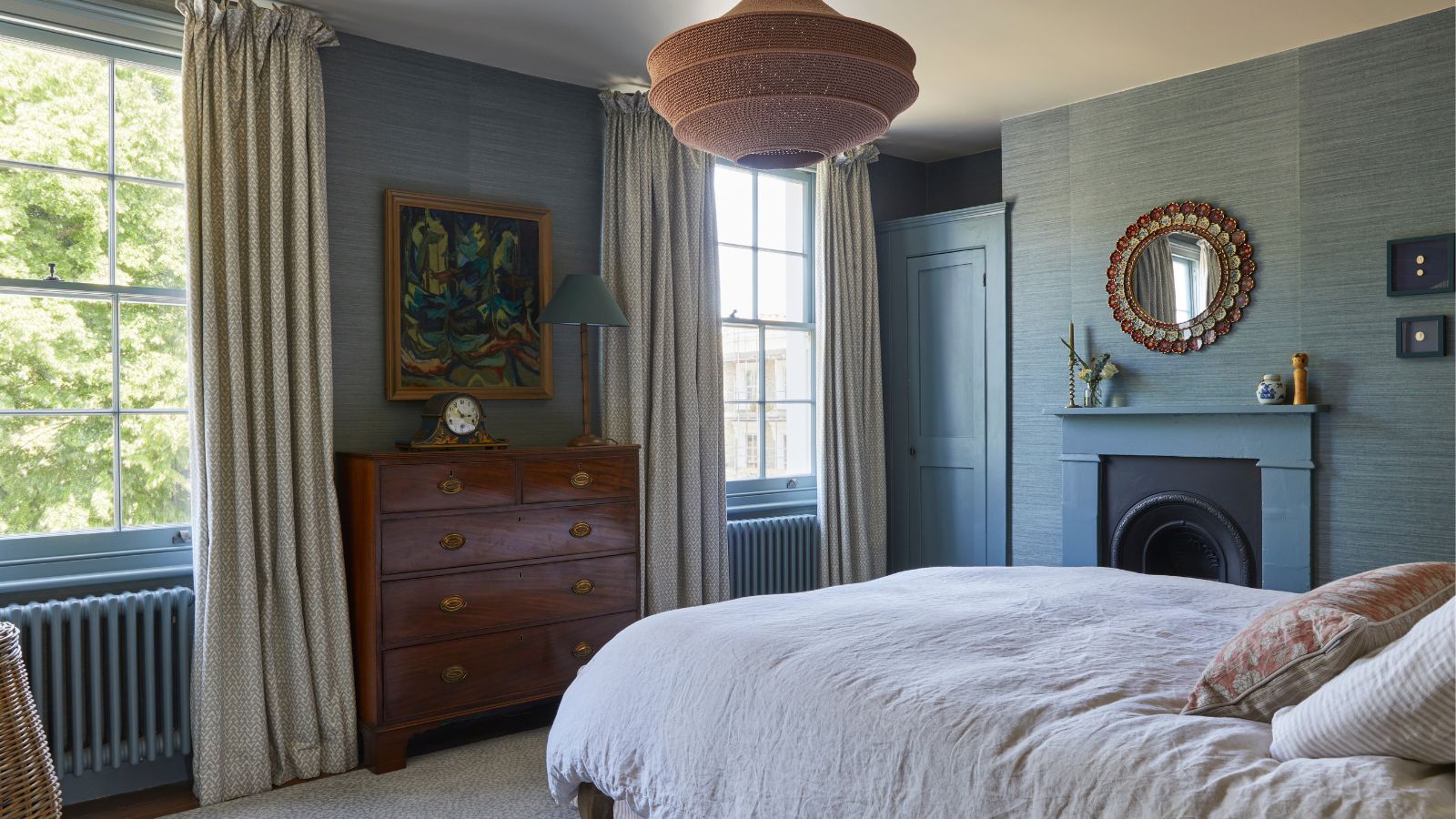
Early cottagecore was about softer pastels and lighter color palettes. “Now, rich jewel tones are coming in,” says Carpenter, listing beetroot–the new burgundy–and sapphire blues, emerald greens, and topaz yellow-golds in the cottagecore palette. She notes that these rich, earthy jewel tones work especially well when paired with wood. Carpenter says color is integral to achieving a cottagecore kitchen, too; use it on appliances and cabinetry.
Jay Wilde
6. Accent with Wood Furniture
Furniture, like hutches or sideboards, that features carefully crafted details is one example of how wood is being used in cottagecore decorating. Carpenter highlights accents like scalloping along chair edges, shapely profiles, and linear textures like plisse. She also notes the re-emergence of decadent burl wood. “It’s something we haven’t seen in a long time, but we’re definitely seeing a rise in burl,” says Carpenter.
7. Look for Handmade Details
“We’re seeing a lot more hand-detailing bringing in texture,” says Carpenter. This includes beading, embellished textiles, and even embroidered wallpaper. More broadly, incorporate handmade products that showcase attention to detail and craftsmanship. These one-of-a-kind elements add to the comfy, personalized style of cottagecore.
8. Create a Tablescape
During the pandemic, we spent more time growing food in our gardens and developing skills in the kitchen. As a result of being more invested in meals and dining experiences at home, Carpenter says a thoughtfully decorated table came back into style. To create a cottagecore tablescape, stick with a color palette and mix and match prints with items you already own.
9. Use Style-Forward Floor Coverings
Carpets and rugs are great examples of style elements that can be both beautiful and practical, protecting and adding comfort to floors while also presenting a layering opportunity. Carpenter calls it “art under foot” and says it’s a prime spot to create eye-catching moments in a cottagecore house. She recommends a stand-out pattern with color, texture, and dimension or elegantly sculpted edges to take your floorcovering to the next level.
link
:max_bytes(150000):strip_icc()/GettyImages-544347092-69d2e73c38f345a7baa16f89d6570186.jpg "This Kitchen Countertop Style Is So 2010s")