


According to the City’s website, the project is also a chance for the builders to “navigate zoning regulations, building codes, and permit requirements to evaluate the feasibility and scalability of each construction type in real-world applications.”
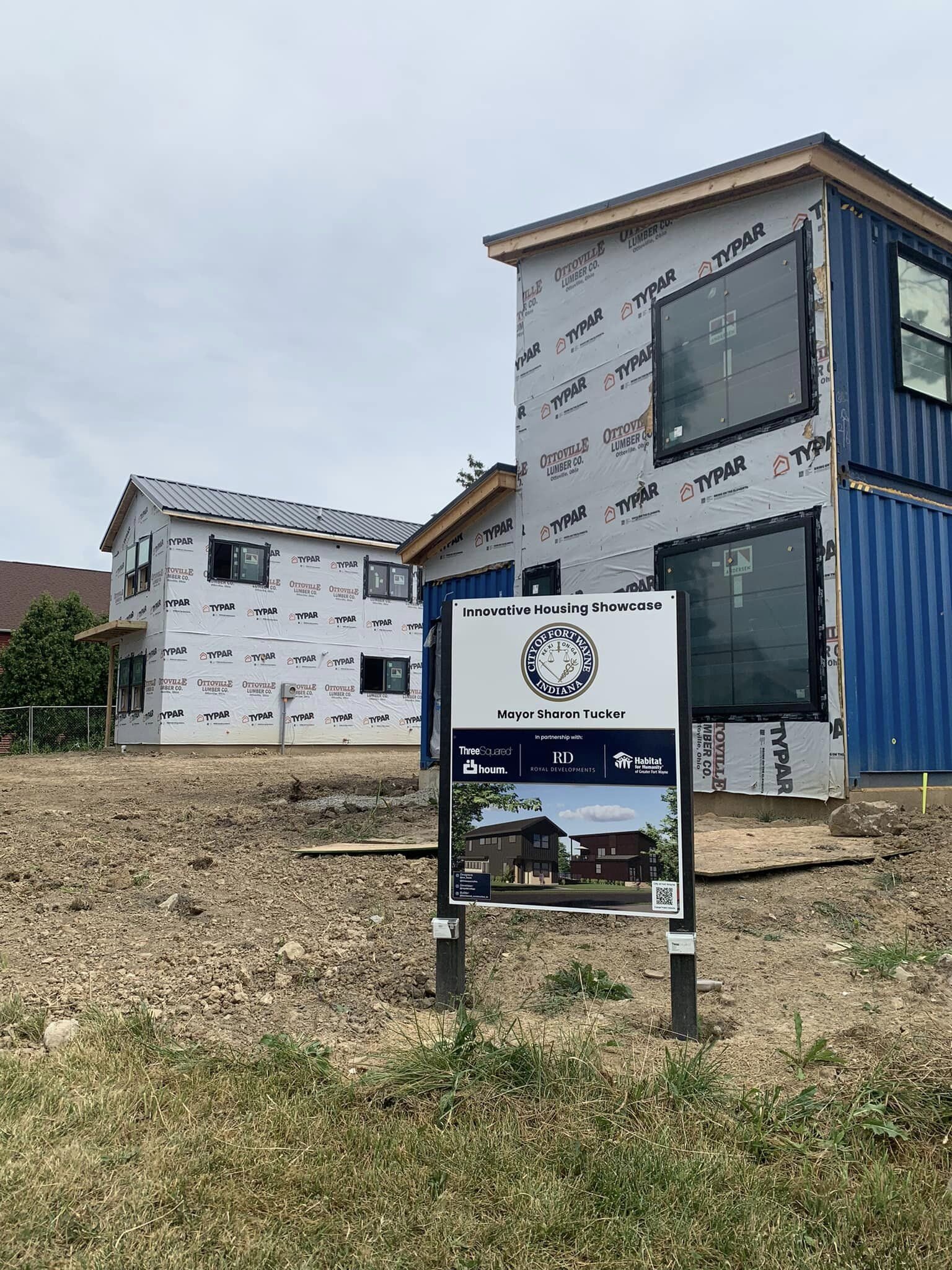

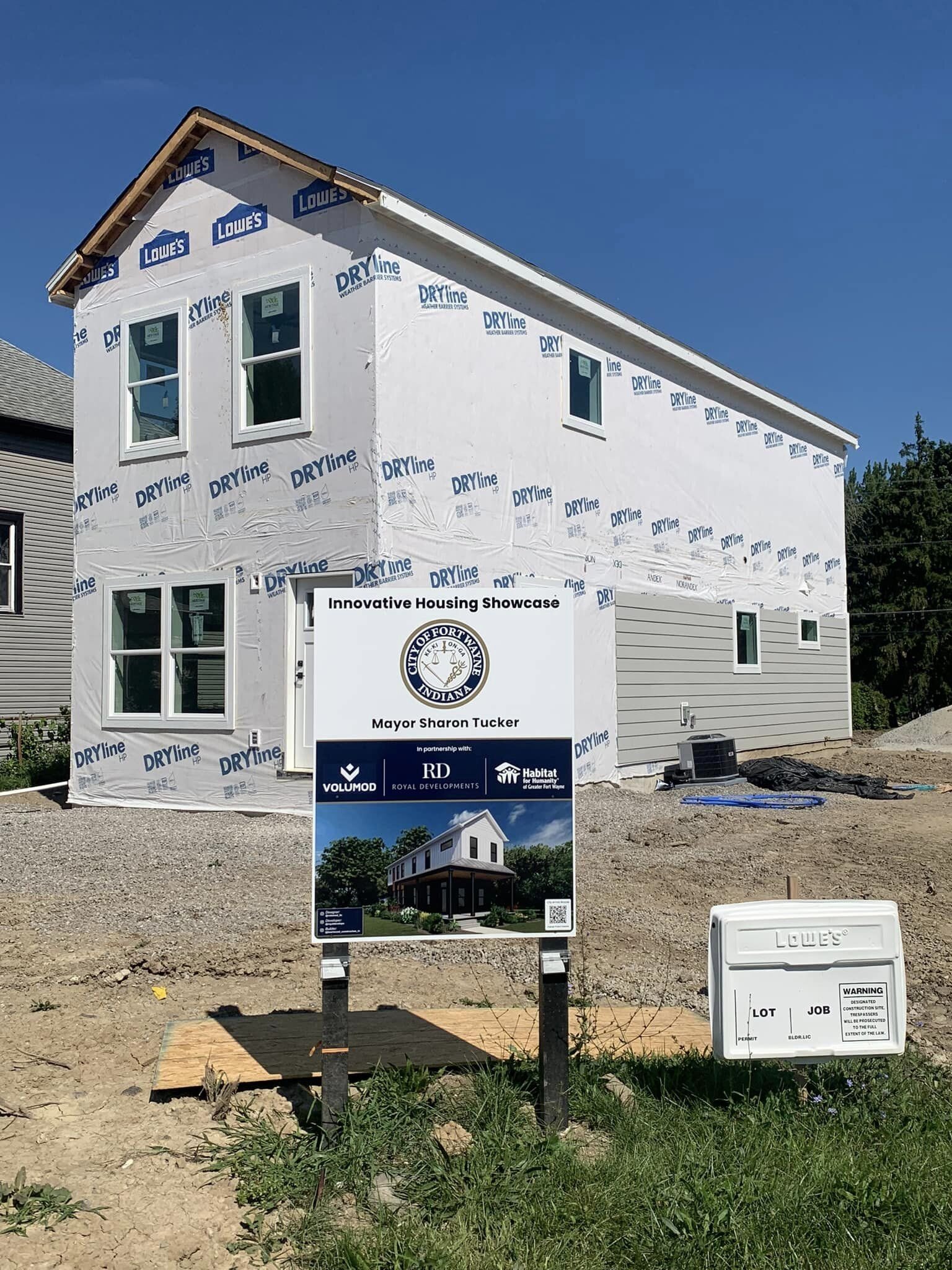
Each of the four housing prototypes are distinct, but will integrate innovative designs, sustainable materials, and unique construction methods all while potentially make homeownership possible for people who once thought it to be unattainable.
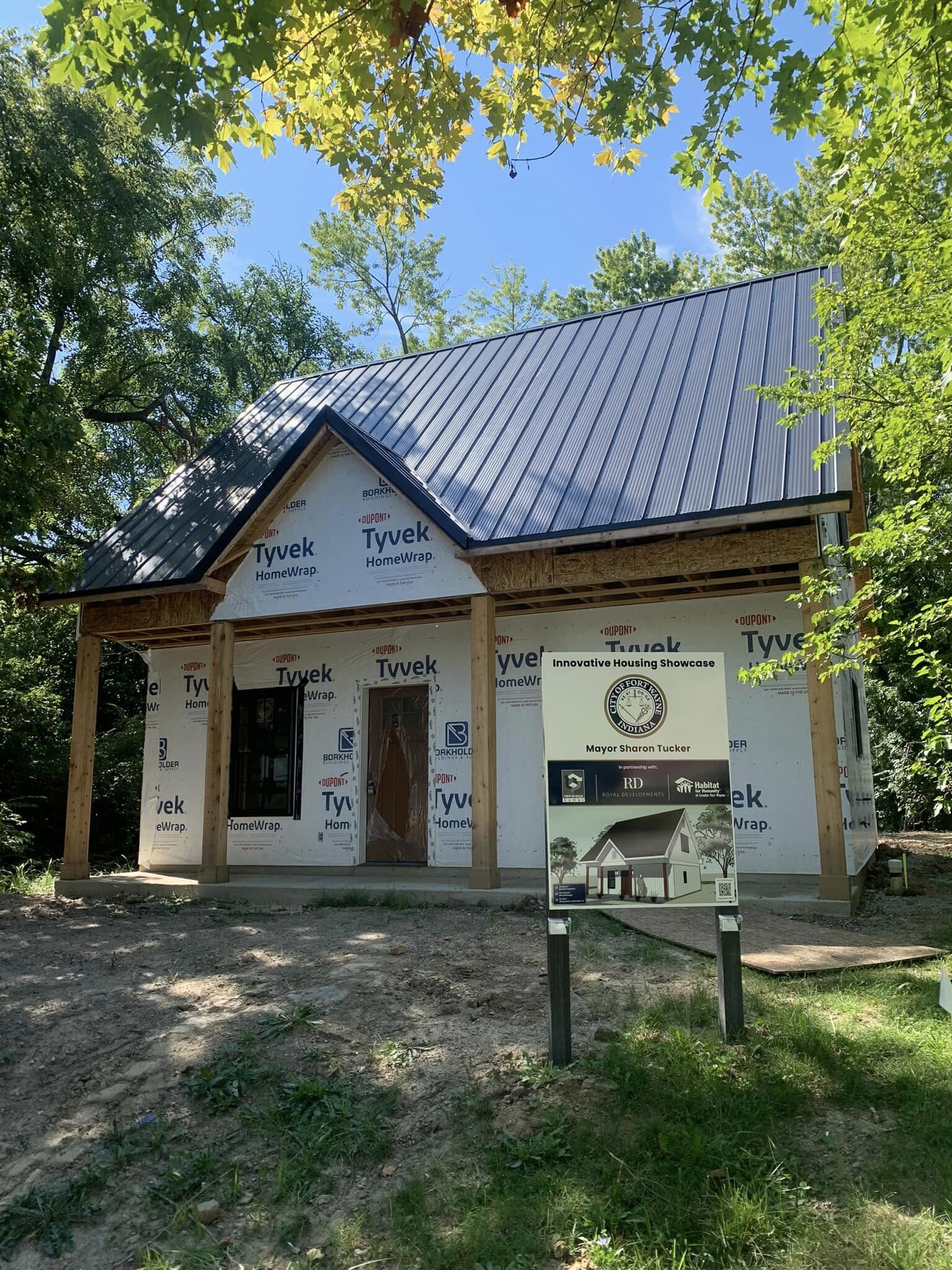
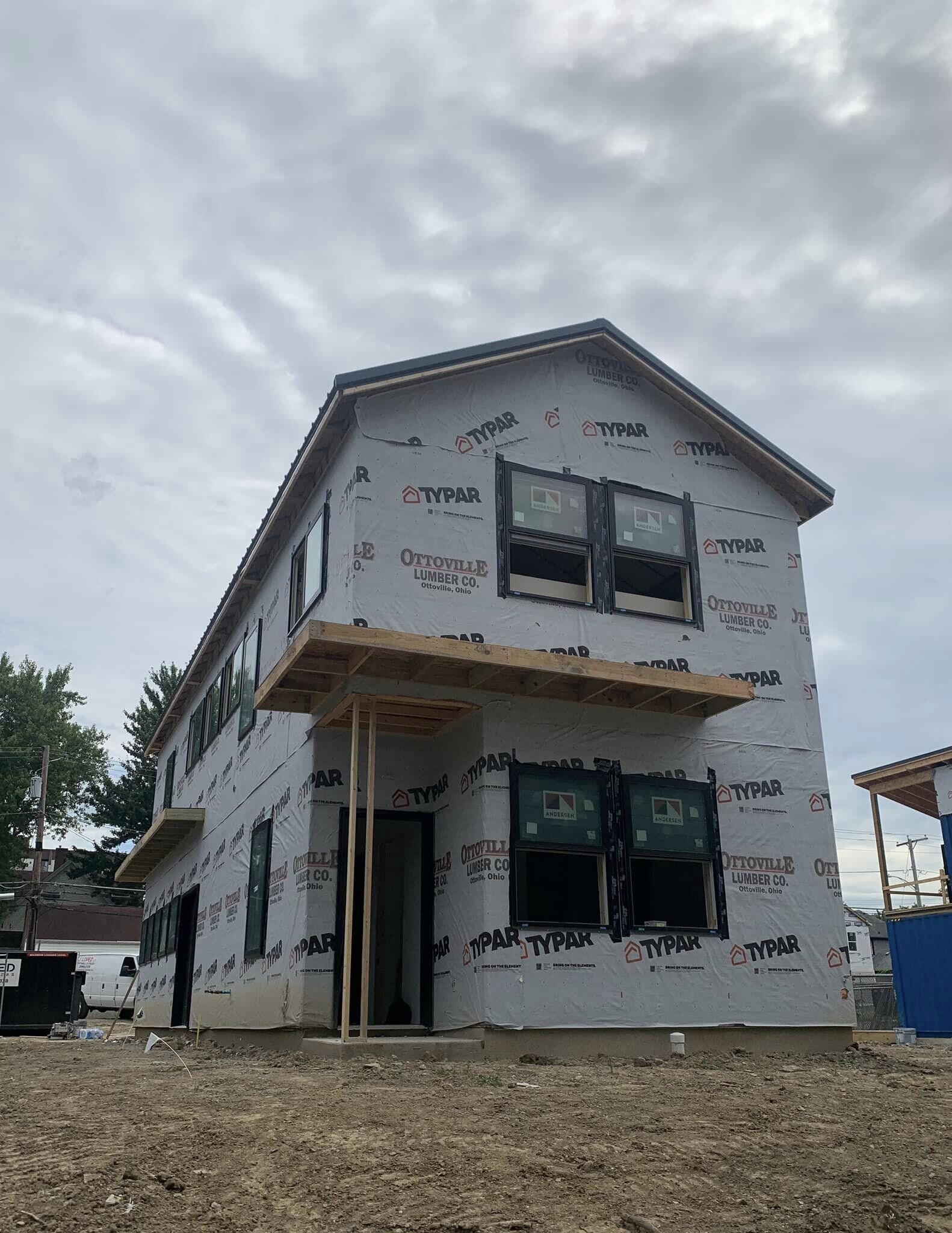
The New Energy Model is primarily focused on building more efficient structures. New Energy Homes, the Indiana-based company behind the New Energy Model combines over 55 years of experience in the construction field with principles of energy conservation to create a structure built from precision and research. Their completed home in the showcase will be 1,200 square feet and includes three bedrooms and two full bathrooms on East Berry Street.
According to their website, New Energy Homes uses a post-frame building technique that features wood columns on the exterior and emphasizes the use of insulation. Traditionally, houses have always been built with studs, often called “stick-frame homes,” which prevent an even distribution of insulation and result in having more gaps where the outside elements can get in. This approach is said to significantly reduce the heating and cooling bills, which are a significant part of energy efficiency.
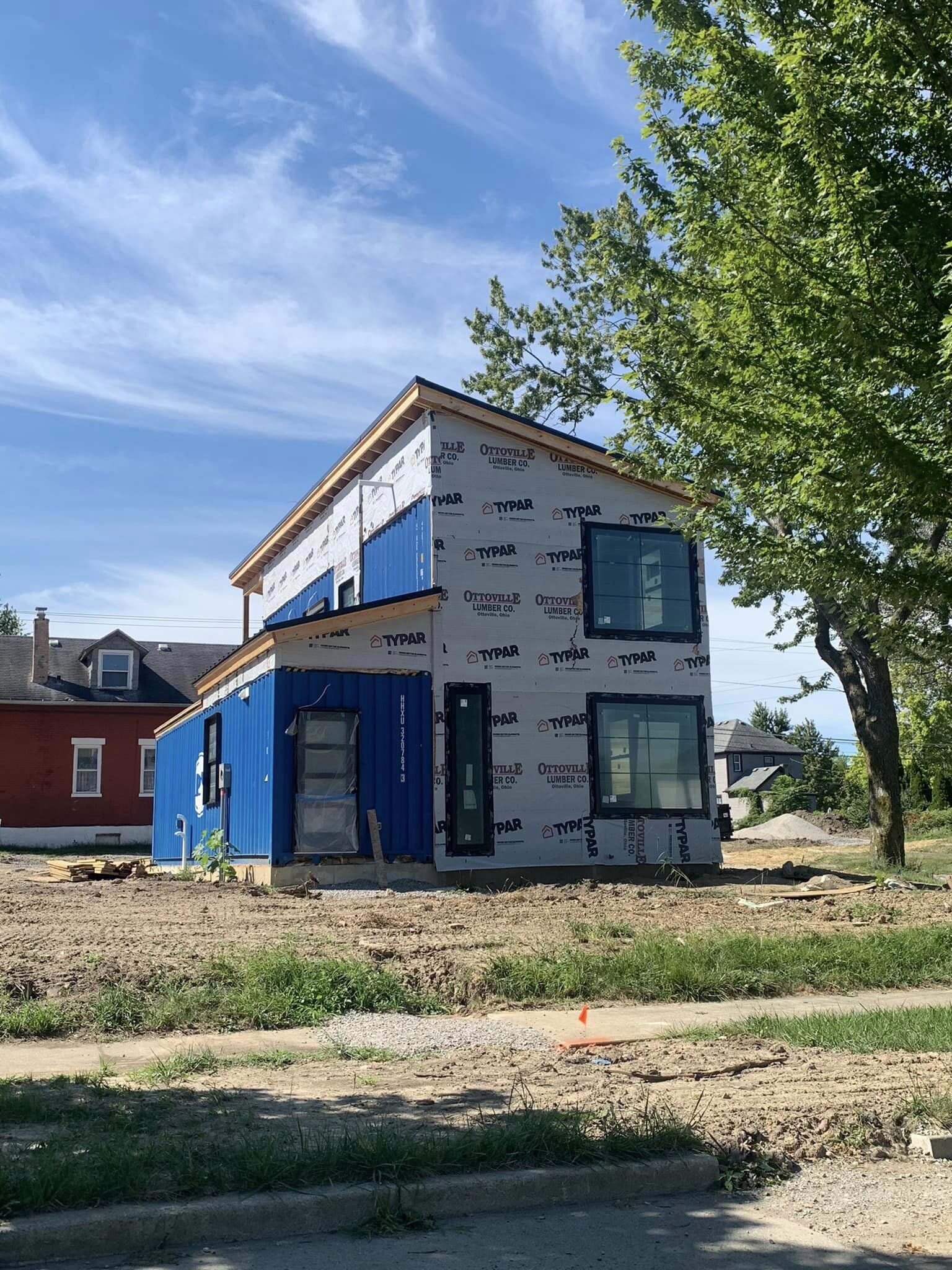
The completed home on East Berry Street will be 1,600 square feet. The two-story home is made from five shipping containers and is designed with four bedrooms and two and a half baths, an open kitchen, living and dining space. Three Squared has developments around the county, but this is their first in Fort Wayne.
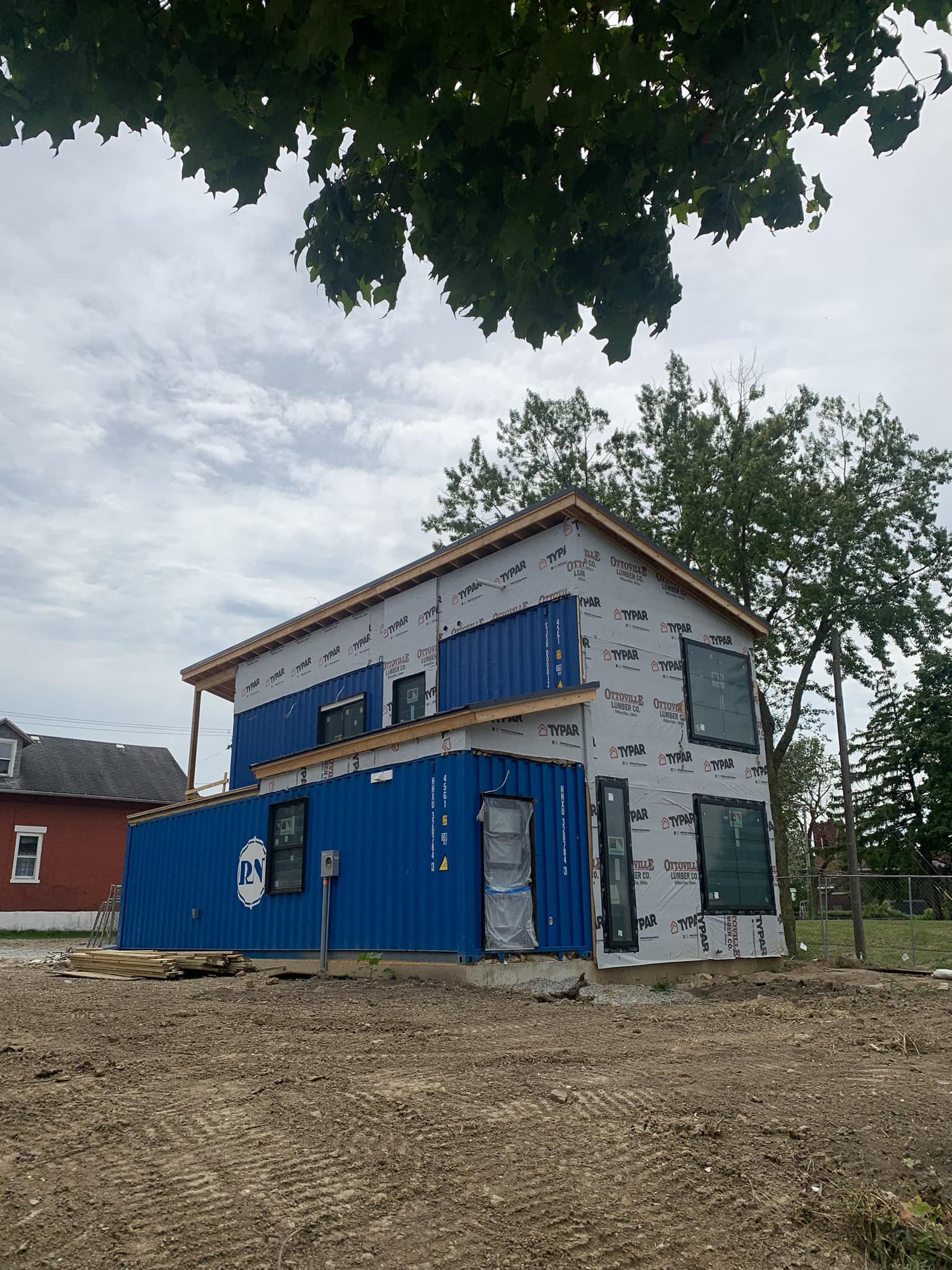
Scott Shall, one of the innovators behind Houm, says they also select their building materials carefully.
“We use sustainable materials that are manufactured using processes that guarantee a high-quality product,” he says. “From the natural cedar boards used on our porches to the durable metal panels used as our siding, each material used is chosen for its value, durability, and low environmental footprint.”
Located on the corner of East Berry Street and Harmar Street, this is only the second Houm model house to ever exist. The first is in Detroit.
“By building one of our first models on display, Fort Wayne not only allows one lucky family to realize the full value of these innovations, but the city places itself at the cutting edge of housing design,” he says.
Part of their model includes a quicker build time. Shall says their project will be complete by September, making the total build time four months. In comparison, a traditional build typically takes 11 to 12 months.
J.T. King, CEO of Royal Development, the showcase’s developer, says that each of the models in this project could position Fort Wayne as a leader in sustainable urban development.
“This innovative model promises significant benefits for residents and the broader community, positioning Fort Wayne as a leader in sustainable urban development,” King says.
Additionally, this project could help address housing problems within Fort Wayne.
Kelly Lundberg, Deputy Director of the Office of Housing and Neighborhood Services for the City of Fort Wayne says projects focused on housing innovation are crucial because of the growing disconnect between housing supply and demand.
“As populations increase and change, the demand for affordable, adequate, and accessible housing outpaces the available supply,” she explains. “Traditional housing models and construction methods often fail to meet the needs of diverse and changing demographics, leading to shortages, rising prices, and increased pressure on the market.”
The goal is to find new ways to increase housing stock within the city– especially affordable housing stock. Fort Wayne, while consistently noted as having one of the best housing markets across the nation, lacks affordable housing options.
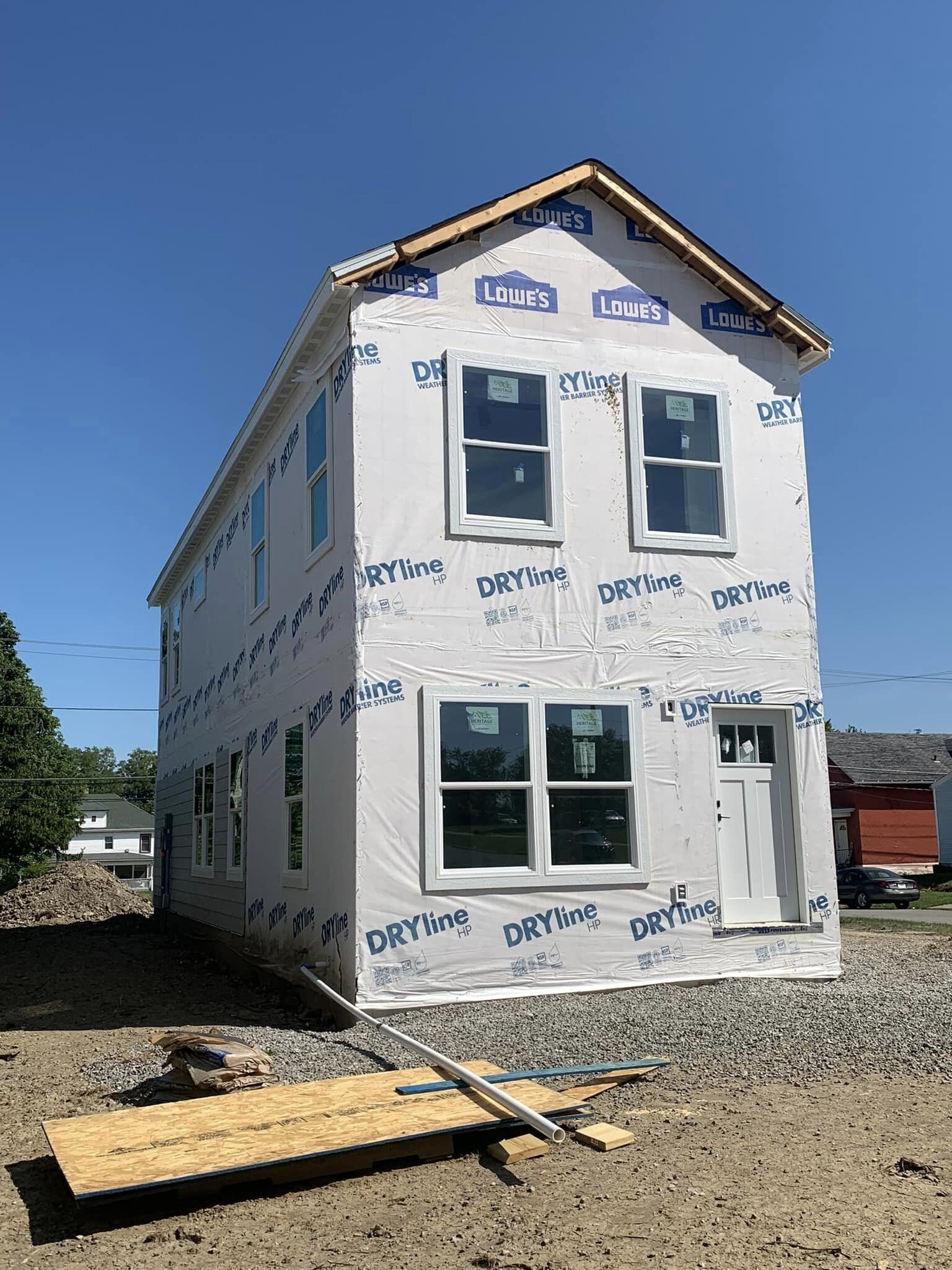
Breck Crandell and Scott Shall, the innovators behind the Houm Model, explain on their website that homes have been built the same way for over 450 years.
“We’re still smacking sticks together with rocks piece by piece to build homes when we have the machines and industries to scale production at mass without needing to sacrifice efficiency or beauty,” Crandell says in an interview.
The cost of that traditional building model keeps many from achieving homeownership.
“Costs have rendered home ownership an impossibility for many, forcing huge swaths of the country into rentership – a situation which has driven up rental costs, making it nearly impossible for those who rent to save enough funds to stop doing so,” Shall explains.
Lundberg says that finding ways to build housing stock through affordable and effective methods could significantly improve housing affordability and stability. Thus making the process better for home buyers and the environment.
The overall impact on the community is big too. Lundberg explains that increasing housing stock can contribute to the well-being of individuals and the long-term economic stability of the community.
“It can lead to more diverse and vibrant neighborhoods, reduce the concentration of poverty, and promote social cohesion,” she says. “With more housing options, low-income families have a better chance to live in safe, healthy environments with access to good schools, transportation, and services.”
As the developer for the showcase, Royal Development’s mission aligns with the goals of affordability, sustainability, and innovation. King says while the homes in the showcase aren’t complete just yet, long-term goals could include building these types of homes in neighborhoods across the city and in broader urban development projects, as well as working with local authorities to promote more sustainable housing solutions.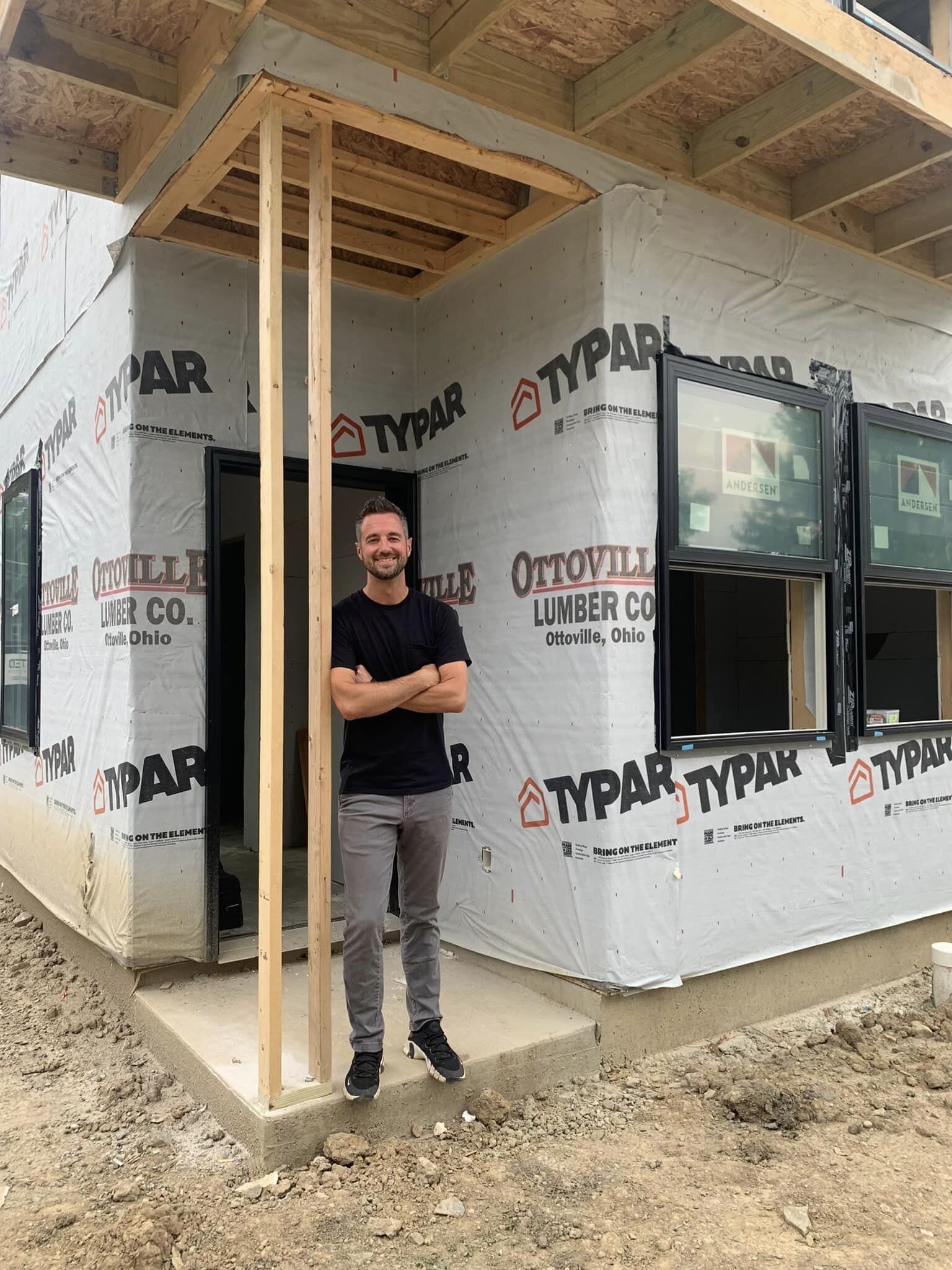
When it comes to the cost of homes like the ones featured in the showcase, King says the price tag will vary depending on preferences and the building method, but the cost will be significantly less than that of a traditional build. More details on the price will be available at the project’s open house this fall.
Once the houses are complete they’ll be put to use. Habitat for Humanity will help four families achieve home ownership with the four model homes from the showcase.
For more information on the Innovative Housing Showcase, visit the city’s webpage.
This story is made possible by support from AARP Indiana.
Editor’s Note: We updated this story to correct the location of the Innovative Housing Showcase. We originally said it was in West Central, but it is in East Central.
link