


Today, the City of Toronto introduced a suite of measures aimed at reducing design costs and accelerating building permit approvals for new housing. Toronto has added more than 850,000 units to its development pipeline since 2020, but many projects still await building permit clearance. Seeking to unclog that queue, Mayor Olivia Chow introduced three reforms: free pre-approved plans for garden and laneway suites, wider online permit submission, and an expanded reliance on professional engineers’ seals.
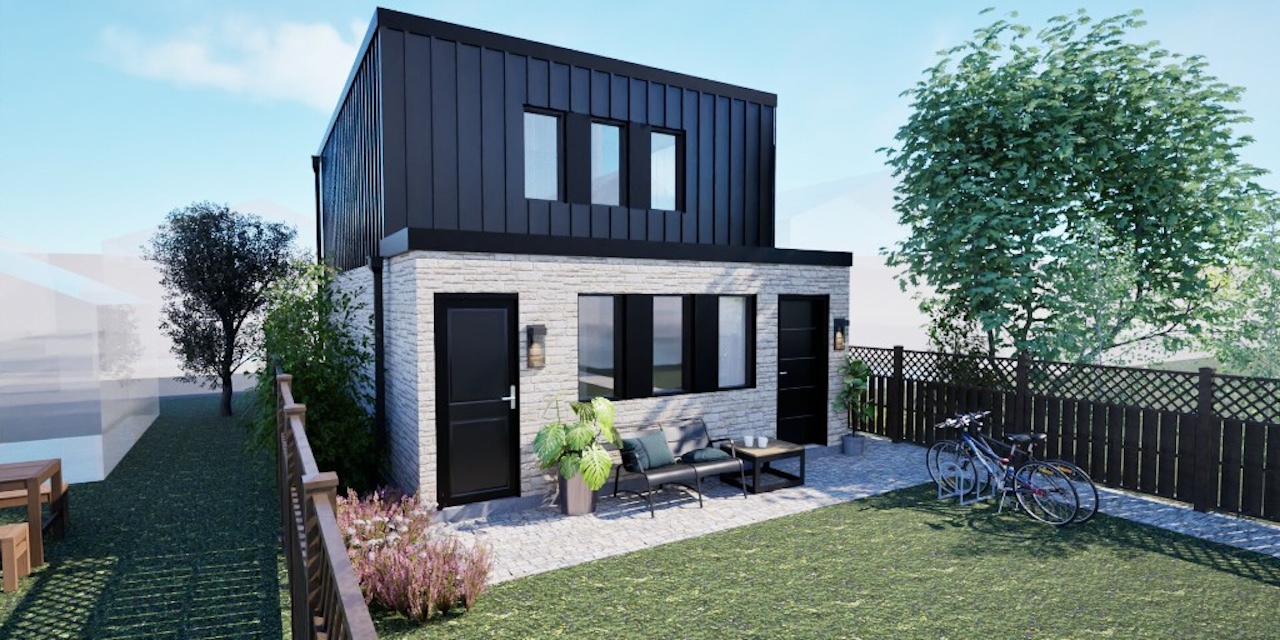
The City’s newly launched library of pre-approved building plans marks a significant shift in how small-scale infill housing can take shape. Designed in-house to comply with the Ontario Building Code, the plans cover a range of garden and laneway suite configurations and are accessible to the public at no cost. By standardizing designs, the City aims to remove much of the uncertainty and expense from the early stages of a project. While homeowners still need to submit site-specific permit applications and undergo zoning reviews, using these ready-made templates can substantially cut down on design time and professional fees.
Garden suite design, image via City of Toronto
Alongside pre-approved plans, the City is expanding its online building permit services to streamline how applications are filed and processed. Homeowners and builders can now submit permit applications electronically for a broader range of residential projects, including new houses, multiplex conversions, secondary suites, and accessory dwellings. The upgraded platform automates document checks and intake, allowing municipal staff to start technical reviews more quickly. The City’s detailed guides walk applicants through each step, from gathering required forms and fees to completing submissions without in-person visits.
Starting July 14, the City will also broaden its Reliance on Professional Engineer’s Seal program, which has already shown measurable results during its pilot phase. Under this approach, licensed engineers can certify that their drawings meet Ontario Building Code standards, shifting more responsibility to qualified professionals and reducing the need for lengthy municipal reviews. The program now extends to mechanical systems, enhanced fire protection, and accessory structures like garden and laneway suites. Early data indicates that relying on sealed drawings has shortened the timeline from permit submission to occupancy by nearly a month on average.
Expanding Housing Options in Neighbourhood initiatives, image by City of Toronto
To help residents and builders envision how gentle density can fit into established neighbourhoods, the City has released demonstration plans showcasing examples of multiplexes, laneway suites, and garden suites integrated into low-rise blocks. These visual models highlight options that comply with Toronto’s Zoning By-law, supporting the adoption of “missing middle” housing forms. Along with the expanded Certified Plans Program and federal Housing Design Catalogue, the demonstration materials are intended to improve predictability and illustrate how incremental growth can respect neighbourhood character while addressing housing needs.
“We need to build more affordable homes faster that people can afford,” said Mayor Olivia Chow, speaking at City Hall. “The City of Toronto is taking action to cut red tape and accelerate housing development in our city.”
UrbanToronto will continue to follow progress on this, but in the meantime, you can leave a comment in the space provided on this page.
* * *
UrbanToronto has a research service, UTPro, that provides comprehensive data on development projects in the Greater Golden Horseshoe — from proposal through to completion. We also offer Instant Reports, downloadable snapshots based on location, and a daily subscription newsletter, New Development Insider, that tracks projects from initial application.
link