


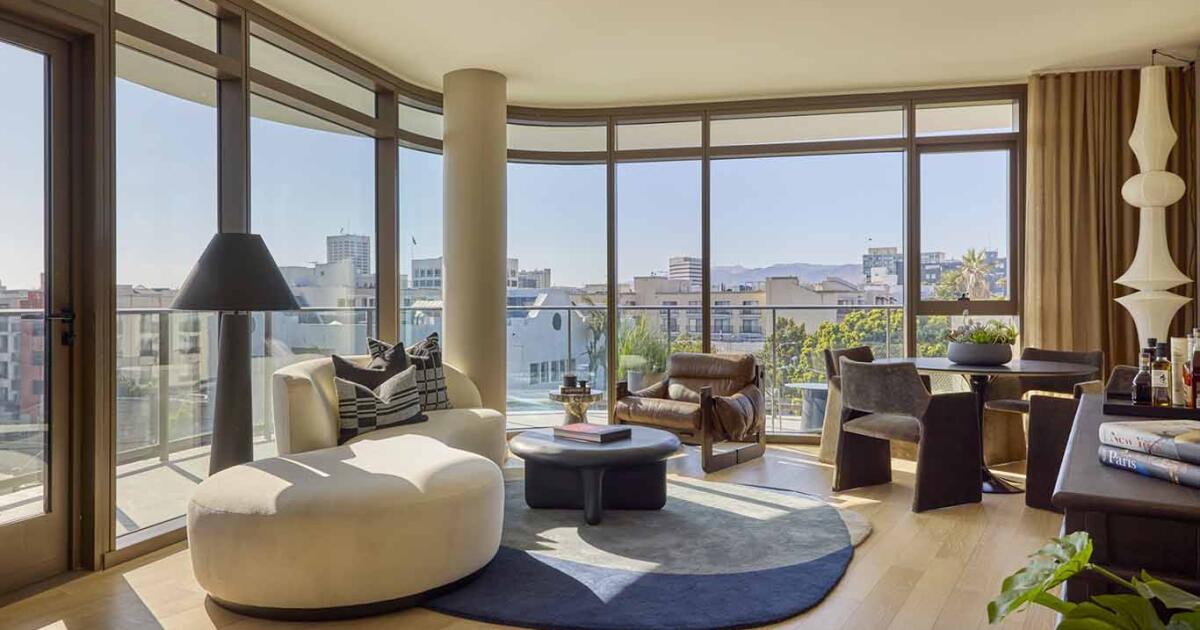
In busy cities, calm is no longer incidental. It’s designed. And as multifamily housing becomes denser, the apartments that resonate the most are the ones that offer a sense of ease from the moment you step inside.
Phoebe Yee, EVP of Design at Related California, points to the fundamentals: natural light, thoughtful layouts, acoustic privacy, and materials that soften daily life.
1. Calm Starts With the Surrounding Environment
“We always start any design by pulling inspiration from the surrounding environment, whether it’s climate, landscape, or natural light,” Yee says. “When a space works with its environment, it can offer simple, everyday moments of well-being.”
2. Light Shapes the Emotional Rhythm of a Home
Natural light, she argues, is never just aesthetic. It changes how a space feels from morning into evening.
RELATED: Feng Shui Paint Colors: A Guide to the 5 Elements
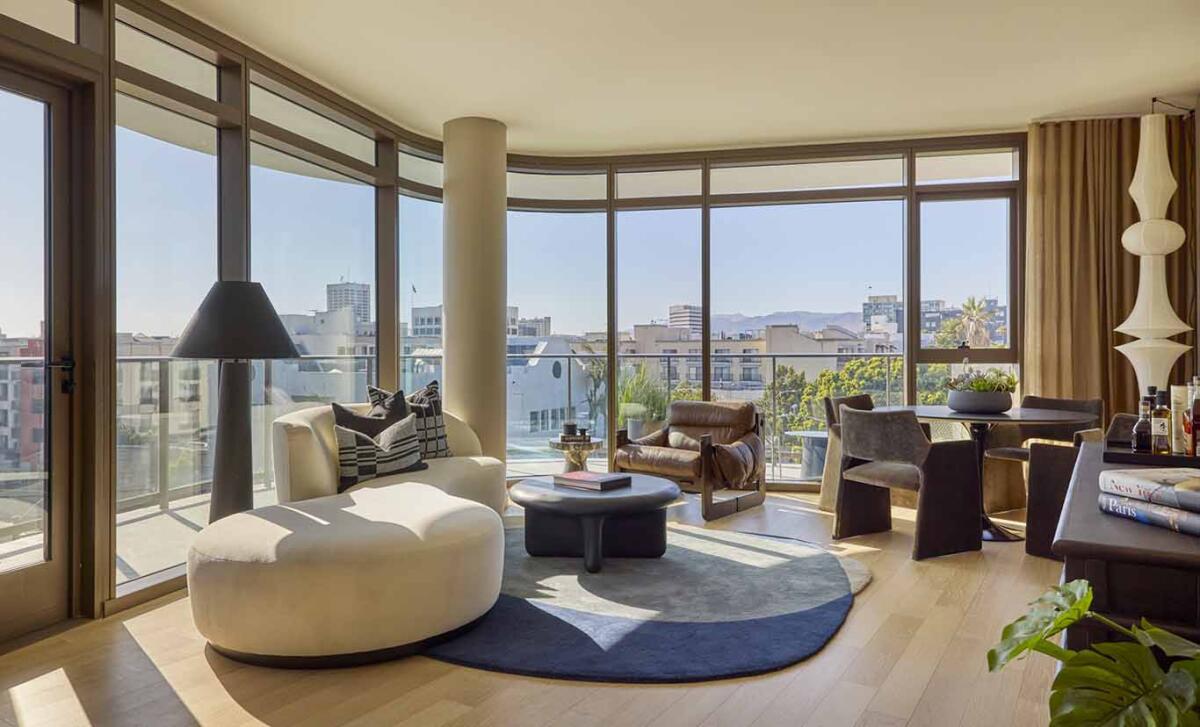
“Expansive windows that bring in an abundance of natural light make each residence feel bright and welcoming throughout the day,” Yee says. “And a sophisticated, soft interior palette creates a relaxed and soothing space at night.”

3. A Livable Floor Plan Is the Foundation of Ease
For Yee, the layout sets the tone long before any design object does. “From a design perspective, a livable floor plan has one of the biggest impacts on how people feel day to day,” she says. “It really serves as the foundation for wellness-focused living.”
RELATED: Storage Solutions to Start the New Year With More Space
At its best, that foundation feels effortless. “Layouts thoughtfully designed to prioritize openness, and a natural flow create effortless transitions between spaces.”
4. Clutter Is Often a Design Issue, Not a Personal One
The feeling of calm is often supported by what you don’t see. “A clutter-free environment leads to a clearer state of mind,” Yee says. “By keeping sightlines open and spaces organized, the design helps support a sense of calm and mental clarity.”
RELATED: 15 Modern Container Garden Ideas for a Stunning Patio
5. Quiet Has Become One of the True Luxuries of Apartment Living
In multifamily buildings, especially in urban neighborhoods, silence has to be built with intention.
“It plays an important role in wellness-centered design,” Yee says. “Thoughtful acoustic strategies help reduce unwanted noise and create a sense of calm and privacy within each home.” And increasingly, that privacy is what people crave most. “In today’s noisy world, a quiet home is a luxury.”
6. Shared Spaces Should Feel Restorative, Not Performative


Yee sees outdoor space and communal areas as part of what makes apartment life sustainable over time.
“Providing tranquil common spaces is an important part of wellness-centered design,” she says. “Residents have many opportunities to step away from their busy lives and reconnect with fresh air, nature, and their community.”
“That is a luxury in itself.”
What’s Trending in Home Design & Decor
7. Materials Should Soften the Space Over Time
Materiality, Yee notes, is one of the most lasting ways to shape how a home feels. “The material selection and overall design aesthetics… were thoughtfully chosen to help soften the space and encourage relaxation,” she says.
RELATED: 5 Best-Performing Building Materials for Modern Homes
Organic textures create warmth that doesn’t feel trend-driven. “Choosing organic textures over synthetic materials was an intentional decision to enhance the tactile experience and create a healthier, more inviting atmosphere.”
For Yee, calm is not something a building announces. It’s something a resident senses. “The difference… is something you can feel almost immediately when you walk into a space,” she says. “Thoughtful design feels intuitive and grounding from the start.”
link